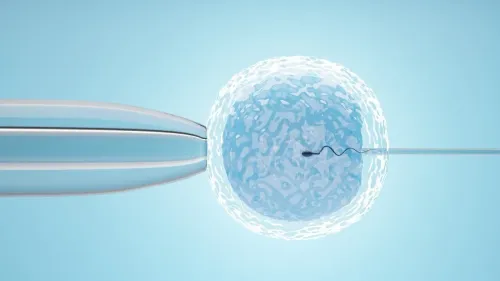


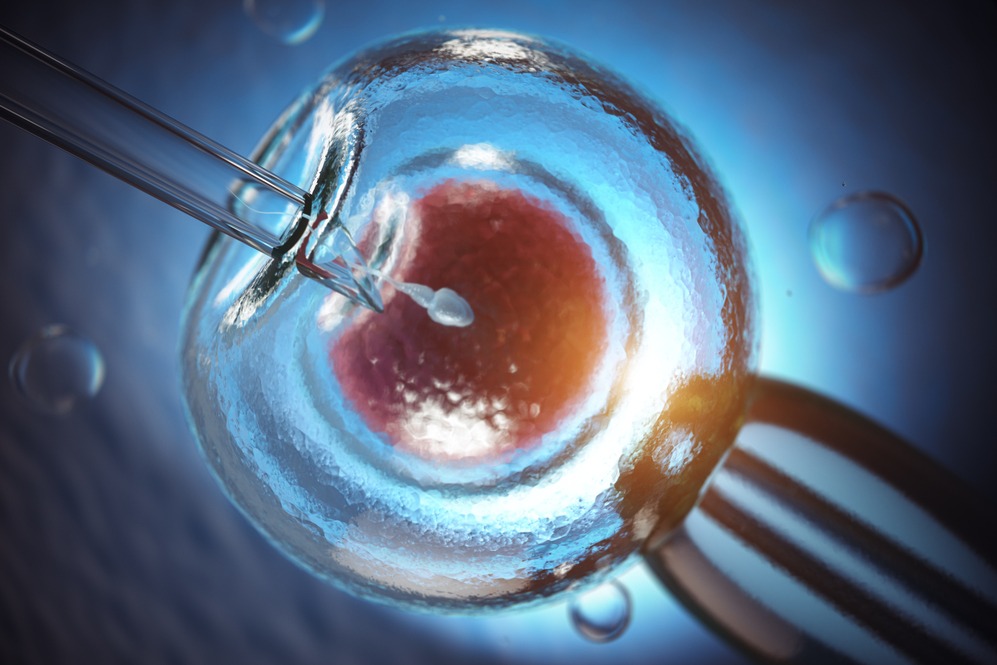
ICSI has transformed fertility treatments for couples facing male infertility. Instead of relying on natural fertilization inside the laboratory dish, a single healthy sperm is carefully injected into the mature egg, increasing the possibility of fertilization in appropriate cases.
Not every IVF cycle requires ICSI. That's why a fertility clinic performs detailed semen analysis and additional investigations before making recommendations.
Conditions such as low sperm count, poor sperm motility, abnormal sperm morphology, or previous IVF fertilization failure may lead specialists to suggest ICSI. In some situations, DNA Fragmentation Index (DFI) testing may also provide valuable insights into sperm quality.
It's encouraging to know that male infertility contributes to a significant percentage of infertility cases, yet conversations often focus only on women. Modern fertility care treats infertility as a shared medical condition requiring evaluation of both partners.
Couples in Wakad increasingly seek fertility consultations earlier, allowing doctors to identify suitable treatment pathways before valuable reproductive time is lost.
Advances in laboratory technology continue improving fertility care, but personalized medical decisions remain at the heart of successful treatment.
If you've been advised to consider ICSI, understanding why it's recommended can make the journey feel more informed and reassuring.