
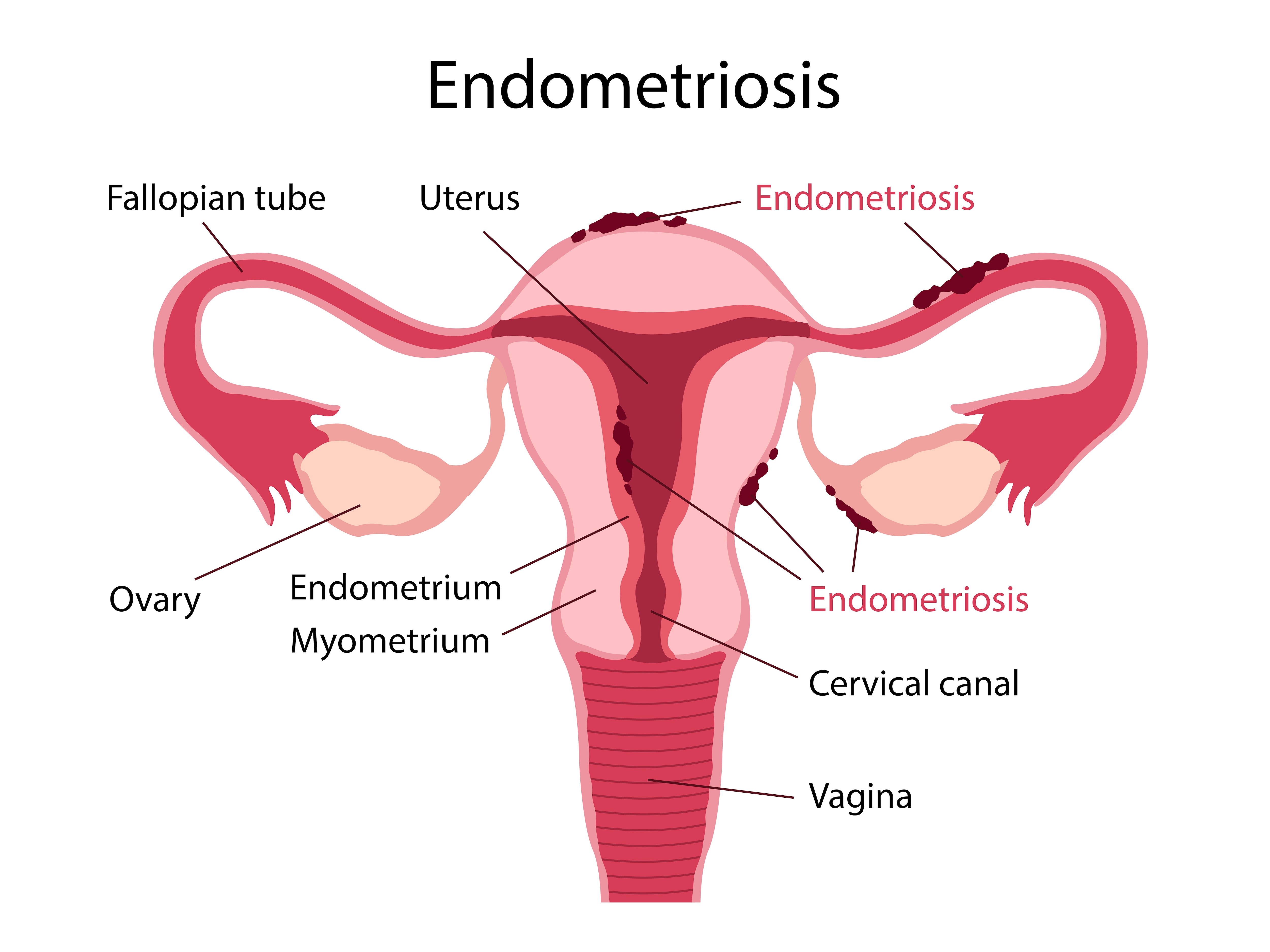
Endometriosis can affect conception through inflammation, adhesions, ovarian endometriomas and changes to ovarian reserve, but the diagnosis does not automatically mean you need IVF. By assessing disease location alongside age, ovarian reserve, tubal patency, semen results and treatment history, you can compare timed intercourse, medicines, IUI, surgery and IVF more safely.
Key takeaways
- Seek assessment after 12 months of trying, or sooner with endometriosis symptoms or diagnosis.
- Ultrasound can identify endometriomas; laparoscopy confirms endometriosis but is not always required.
- Choose timed treatment, IUI, IVF or surgery using ovarian reserve, tubal status and your timeline.
- Discuss ovarian reserve before endometrioma surgery and consider embryo or egg freezing when appropriate.
How does endometriosis affect fertility, and when should you seek an assessment?
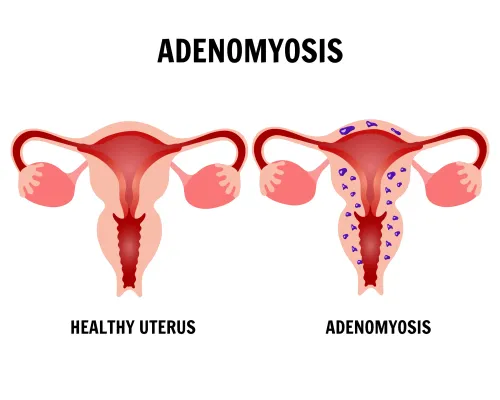
Endometriosis can impair fertility through inflammation that interferes with sperm–egg interaction and embryo implantation. Adhesions can pull the fallopian tubes and ovaries out of position, obstructing egg pickup or transport. Ovarian endometriomas and repeated ovarian surgery can remove healthy tissue and reduce ovarian reserve.
Severe menstrual pain does not reliably show how much fertility is affected. Mild pain can coexist with significant disease, while severe pain does not prove that pregnancy will be difficult. A diagnosis of endometriosis alone cannot establish female infertility; evaluate both partners, with semen analysis as a standard part of the couple’s assessment.
Seek an assessment at these points:
- After 12 months of regular, unprotected intercourse if you are under 35
- After 6 months if you are 35 or older
- Sooner if you have known or suspected endometriosis
- Sooner for painful sex, painful bowel movements or severe menstrual pain
- Sooner after pelvic or ovarian surgery
- Sooner with irregular or absent periods
- Sooner if tubal disease is suspected
Do not wait for symptoms to become disabling. Age, ovarian reserve, tubal function, semen results and time spent trying to conceive can matter as much as the endometriosis stage, so early evaluation helps identify whether inflammation, distorted anatomy, ovarian reserve or another factor is limiting conception.
How is endometriosis diagnosed before fertility treatment?
Endometriosis is first assessed from your symptoms and pelvic examination, not assumed from pain alone. The fertility work-up should continue before surgical confirmation, because female infertility can involve endometriosis, ovulation, sperm, ovarian reserve or blocked tubes.
Your assessment may include:
- A symptom history covering period pain, painful sex, painful bowel movements, cycle pattern and previous pelvic surgery.
- A pelvic examination for tenderness, fixed organs or nodules.
- Transvaginal ultrasound to look for ovarian endometriomas and deep infiltrating endometriosis.
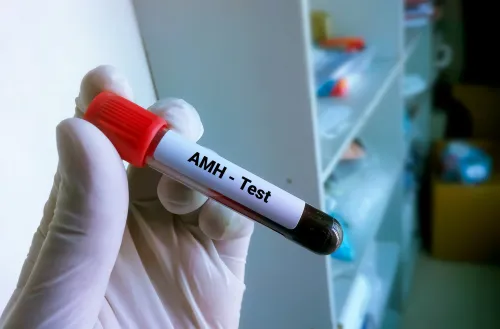
- AMH and antral follicle count to estimate ovarian response; neither test measures egg quality or guarantees pregnancy.
- Semen analysis for the male partner.
- A fallopian-tube patency test, such as hysterosalpingography or HyCoSy, when indicated.
| Finding | What it means | Fertility assessment |
|---|---|---|
| Superficial peritoneal disease | Small surface lesions that ultrasound may miss | Suspected from symptoms or examination; a normal scan does not exclude it |
| Ovarian endometriomas | Endometriosis cysts within an ovary | Visible on ultrasound; assess ovarian reserve before considering surgery |
| Deep disease | Lesions involving areas such as the bowel, bladder or tissue behind the uterus | Ultrasound or MRI may identify it; map its location before treatment |
Laparoscopy is considered for significant pain, suspected deep disease, unclear imaging, or a specific treatment decision. It can confirm and treat disease, but operating solely to obtain a diagnosis can delay fertility care or reduce ovarian tissue.
Which fertility treatment fits the disease, your fertility factors and your timeline?
The best option depends on the disease, your ovarian reserve, both partners’ results and how long you can wait. For mild stage I–II endometriosis, reassuring ovarian reserve, open tubes and normal semen results, expectant management or stimulation with IUI may suit you; this is still an individual female infertility decision.
| Option | What it involves | When it may fit |
|---|---|---|
| Timed intercourse | Monitoring ovulation and having sex during the fertile window | Mild disease, regular ovulation and favourable fertility factors |
| Ovulation induction | Medicines help develop or release an egg | Ovulatory problems, often combined with timed intercourse or IUI |
| Intrauterine insemination | Prepared sperm is placed inside the uterus around ovulation | Open tubes, normal or mildly reduced semen results, and mild disease |
| IVF | Eggs are collected, fertilised in the laboratory and embryos transferred | Blocked or damaged tubes, male-factor infertility, low ovarian reserve, older age, significant disease or previous unsuccessful treatment |
Combined hormonal contraception, progestins and GnRH medicines can suppress ovulation and control endometriosis pain. They do not create pregnancy while you use them, so they are symptom treatments rather than fertility treatments for someone actively trying to conceive.
Surgery can help with severe pain, adhesions or a lesion that blocks access to follicles. Ovarian endometrioma surgery can remove healthy tissue and lower ovarian reserve, especially with bilateral, recurrent or repeated operations. If symptoms are controlled and the cyst is small, surgery is not routinely performed before IVF solely to improve live-birth rates.
Assess age, reserve, symptoms and previous surgery before choosing.
What should you expect from IVF, surgery and fertility preservation?
IVF usually takes several weeks. Ovarian stimulation involves daily injections for about 8–14 days, with repeated ultrasound scans and blood tests. Egg retrieval occurs under anaesthesia; the laboratory then cultures embryos for several days before a fresh transfer or frozen embryo transfer. More than one cycle may be needed.
| Option | Main benefit | Main trade-off |
|---|---|---|
| IVF | Bypasses damaged or blocked tubes | Injections, appointments, anaesthesia, laboratory fees and emotional strain |
| Surgery | May relieve pain, release adhesions or improve access to follicles | Ovarian endometrioma surgery can remove healthy tissue and reduce ovarian reserve |
| Egg or embryo freezing | Preserves reproductive options before ovarian surgery or declining AMH or antral follicle count | Storage and later treatment add costs, and freezing does not guarantee a live birth |
Compare success rates by age and denominator: per initiated cycle, retrieval, embryo transfer or cumulative outcome. IVF does not remove endometriosis, guarantee pregnancy or cure pain; the disease can affect ovarian response and outcomes without making IVF futile. AMH estimates expected response to stimulation, not egg quality or guaranteed live birth.
Seek urgent care for severe pelvic pain, rapidly increasing abdominal swelling, vomiting, breathlessness or reduced urine after stimulation, which can signal ovarian hyperstimulation. After pregnancy, one-sided pain, vaginal bleeding, shoulder-tip pain, dizziness or fainting can indicate ectopic pregnancy. Discuss fertility preservation before ovarian surgery, especially when reserve is declining.
How do you plan endometriosis fertility treatment in Wakad?
Bring a complete record to your first appointment for endometriosis fertility treatment in Wakad. Missing reports can lead to repeat tests, delayed decisions or surgery based on incomplete information.
- Previous ultrasound and MRI reports
- Operative notes, laparoscopy photographs and pathology reports
- AMH, antral follicle count and other blood results
- Semen analysis
- Medication list, including pain medicines and hormonal treatment
- Cycle dates, pain severity, painful sex, bowel symptoms and bleeding patterns
Ask these questions before accepting a plan:
- Which disease is suspected or confirmed: superficial, ovarian endometrioma or deep endometriosis?
- Do I need fallopian-tube testing?
- How will you monitor ovarian reserve?
- Do you recommend surgery, and what evidence supports it for me?
- How many monitoring visits will treatment require?
- What happens if the first treatment fails?
- What do the quoted fees include?
Compare an IVF clinic in Wakad across the same practical points:
| Area | Check | Why it matters |
|---|---|---|
| Clinical team | IVF specialist, consultant gynaecologist and endometriosis-experienced surgeon | Links fertility and pain decisions |
| Monitoring | Ultrasound scans and blood tests, with coordination between locations | Reduces avoidable travel and delays |
| Treatment support | Embryology, anaesthesia and counselling | Reveals services hidden outside the headline fee |
| Referral pathway | Named hospital or specialist referrals | Clarifies who manages complications or surgery |
For repeated Wakad visits, calculate travel time around monitoring appointments and ask whether scans and blood tests can be coordinated. Dr Pavan Bendale - IVF Specialist may suit readers seeking coordinated, individualised assessment, but compare the proposed plan, costs and referral arrangements with your needs.
Frequently asked questions
How does endometriosis affect fertility?
Inflammation can disrupt sperm–egg interaction and implantation, while adhesions and endometriomas can affect egg pickup, transport and ovarian reserve.
When should you seek an endometriosis fertility assessment?
Seek assessment after 12 months of trying if you are under 35, after six months if you are 35 or older, or sooner with diagnosed endometriosis, severe symptoms or previous ovarian surgery.
How is endometriosis diagnosed before fertility treatment?
Assessment can include a medical history, pelvic examination, transvaginal ultrasound and ovarian reserve testing. Laparoscopy confirms disease but is not required for every treatment plan.
Which fertility treatment is suitable for endometriosis?
The choice depends on age, ovarian reserve, tubal function, sperm results, disease severity and your timeline. Options include timed intercourse, ovulation treatment, IUI and IVF.
What should you expect from IVF, surgery and fertility preservation?
IVF bypasses damaged tubes and requires ovarian stimulation and egg collection. Surgery can treat pain or restore anatomy but may reduce ovarian reserve. Egg or embryo freezing preserves options before reserve declines.